AI Website Performance
by Admin
Posted on 28-10-2025 03:55 PM
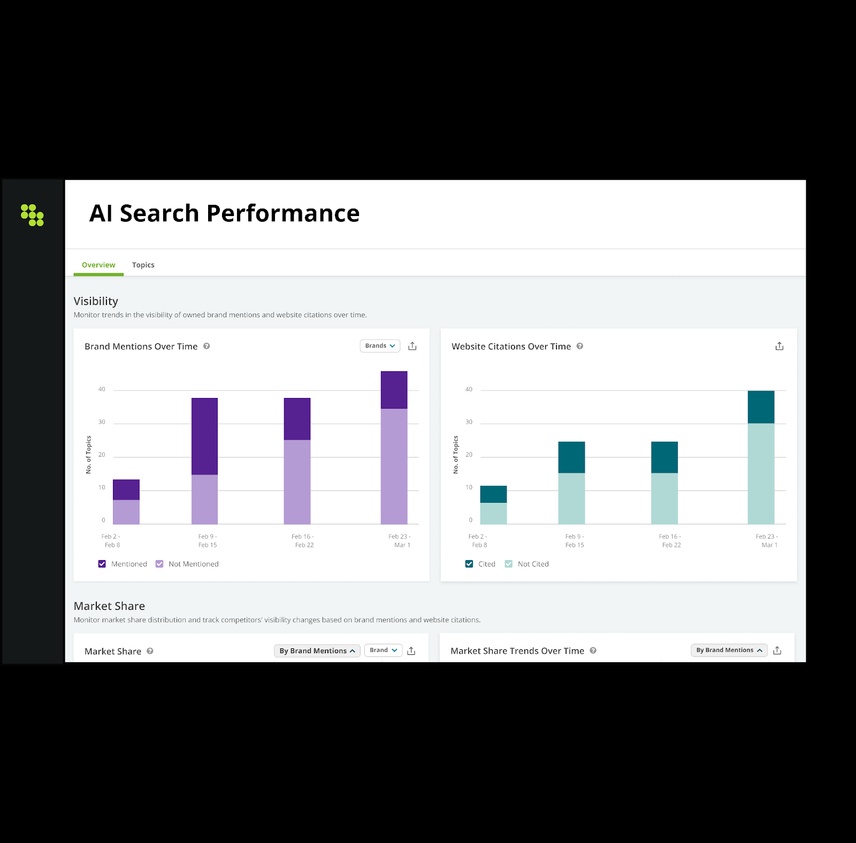
What is AI Website Performance?
AI website performance refers to the speed, efficiency, and reliability of a website that uses Artificial Intelligence (AI) and Machine Learning (ML) algorithms to provide personalized and dynamic content to users. Understanding AI Website Performance is critical because it directly impacts the user experience, conversion rates, and ultimately, the bottom line of a business. A slow or unresponsive AI-powered website can lead to frustrated users, abandoned shopping carts, and lost sales.
Challenges of AI Website Performance
AI website performance is challenging due to the complex interactions between AI algorithms, data storage, and network infrastructure. Some of the key challenges of AI website performance include:
Computational Complexity
AI algorithms require significant computational resources to process and analyze large datasets, which can lead to increased latency and slower response times. Additionally, AI algorithms can be computationally intensive, requiring powerful servers and specialized hardware to run efficiently.
Data Storage and Management
AI-powered websites require large amounts of data to be stored and managed, which can lead to increased storage costs, data redundancy, and slower query times. Furthermore, AI algorithms require high-quality and relevant data to provide accurate predictions and recommendations, which can be challenging to obtain and maintain.
Network Latency and Bandwidth
AI-powered websites require fast and reliable network connectivity to transmit data between servers, databases, and users. Network latency and bandwidth constraints can lead to slower response times, buffering, and dropped connections, which can negatively impact the user experience.
Strategies for Optimizing AI Website Performance
To optimize AI website performance, several strategies can be employed, including:
Caching and Content Delivery Networks (CDNs)
Caching and CDNs can help reduce latency and improve response times by storing frequently accessed content at edge locations closer to users. This can help reduce the load on servers and databases, improving overall performance and reducing the risk of downtime.
Serverless Computing and Containerization
Serverless computing and containerization can help improve scalability and reduce costs by providing on-demand computing resources and isolating applications from underlying infrastructure. This can help improve response times and reduce latency, while also improving security and reducing the risk of downtime.
AI-Powered Optimization Tools
AI-powered optimization tools can help identify performance bottlenecks and provide personalized recommendations for improvement. These tools can analyze user behavior, network traffic, and system resources to provide insights into performance optimization opportunities.
Benefits of Optimizing AI Website Performance
Optimizing AI website performance can have numerous benefits, including:
Improved User Experience
Fast and responsive AI-powered websites can provide a seamless and personalized user experience, leading to increased engagement, conversion rates, and customer loyalty.
Increased Revenue and Conversions
Optimized AI website performance can lead to increased revenue and conversions by providing fast and personalized recommendations, improving the overall shopping experience, and reducing cart abandonment rates.
Competitive Advantage
Optimizing AI website performance can provide a competitive advantage by differentiating a business from its competitors and establishing a reputation for fast, reliable, and personalized service.
Best Practices for AI Website Performance
To ensure optimal AI website performance, several best practices can be followed, including:
Monitoring and Analytics
Monitoring and analytics can help identify performance bottlenecks and provide insights into optimization opportunities. This can include tracking key performance indicators (KPIs) such as response times, latency, and user engagement.
Continuous Testing and Optimization
Continuous testing and optimization can help ensure that AI-powered websites are performing optimally and provide opportunities for improvement. This can include A/B testing, user testing, and performance testing.
Collaboration and Communication
Collaboration and communication between developers, designers, and stakeholders can help ensure that AI website performance is a priority and that optimization opportunities are identified and addressed.
Conclusion
AI website performance is critical in today's digital age, where users expect fast, seamless, and personalized experiences. By understanding the challenges of AI website performance and employing strategies for optimization, businesses can provide a competitive advantage, improve user experience, and increase revenue and conversions. By following best practices and continuously monitoring and optimizing AI website performance, businesses can ensure that their AI-powered websites are performing optimally and providing a fast, reliable, and personalized experience for users.
FAQs
What is the impact of AI on website performance?
AI can improve website performance by providing personalized and dynamic content, but it can also increase computational complexity, data storage, and network latency.
How can I optimize AI website performance?
You can optimize AI website performance by using caching and CDNs, serverless computing and containerization, AI-powered optimization tools, and following best practices such as monitoring and analytics, continuous testing and optimization, and collaboration and communication.
What are the benefits of optimizing AI website performance?
The benefits of optimizing AI website performance include improved user experience, increased revenue and conversions, and a competitive advantage.
How can I measure AI website performance?
You can measure AI website performance by tracking key performance indicators (KPIs) such as response times, latency, and user engagement, and using monitoring and analytics tools to provide insights into optimization opportunities.
What are some common challenges of AI website performance?
Some common challenges of AI website performance include computational complexity, data storage and management, and network latency and bandwidth constraints.
How can I ensure that my AI-powered website is secure?
You can ensure that your AI-powered website is secure by following best practices such as using encryption, secure protocols, and secure coding practices, and continuously monitoring and testing for security vulnerabilities.